
踏入夏季以來,香港持續出現高溫潮濕天氣,室內外溫差顯著,此種濕熱環境正為床蝨(又稱臭蟲/木蝨)提供理想的繁殖及爆發條件。不少市民反映,家居床蝨問題於近期突然惡化,半夜被咬醒、身上出現多處紅點、床單上發現黑色一點點排泄物等情況,正在香港千家萬戶中不斷重演。 香港人口密度高,住宅空間狹窄,部分舊樓通風欠佳,加上床蝨極易透過衣物、行李、二手傢俬等途徑傳播,一旦出現便迅速擴散至床架、床褥、衣櫃、地腳線等隱蔽角落。許多居民曾嘗試日曬、噴灑殺蟲水、撒粉等土法,惟始終未能徹底根治,蟲患反覆發作,身心備受困擾。 在此背景下,專業、可靠且安全的滅床蝨服務,正日漸成為越來越多香港家庭的「救生圈」。記者近日訪問了一位居住在九龍區的林太,聽她講述從「自行處理」到「徹底解決」的真實經歷。 九龍居民親身經歷:自行滅蟲屢屢失敗 專業服務一次斷尾 林太一家居於九龍一棟老式洋樓。今年5月,她發現年幼的孫兒身上頻繁出現紅色咬痕,起初以為是蚊子叮咬,未予重視。直至某天深夜,她拿起手機手電筒一照,赫然在床褥邊線處見到數隻啡色小蟲爬動,方知家中已染上床蝨。 「我當時非常慌張,第二天早上立刻到超市買了最貴的殺蟲噴霧,對着床架、床褥大量噴灑,以為這樣做就可以把床蝨殺死。」林太回憶道。然而僅過一星期,床蝨再度出現,且數量更多,連客廳梳化、衣櫃角落均發現其蹤跡。 林太其後又嘗試網上流傳的「偏方」——以滾水燙洗、暴曬床單、撒放硅藻土,惟效果不彰。床蝨似乎藏匿於床板縫隙、牆紙接縫深處,普通噴霧根本無法觸及。那段時間,全家人均無法安睡,孫兒甚至害怕得不敢進房睡覺,精神狀態甚差。 在朋友介紹下,林太聯絡了香港本地專注床蝨防治多年的NOBEDBUGS-HK。令她意外的是,客服人員不僅耐心聆聽她因床蝨造成的困擾,並詳細說明服務內容,更火速安排師傅當日免費上門檢查。 「穿着制服的滅蟲師傅非常準時到達,入門後先進入發現床蝨的睡房,仔細檢查,之後師傅亦有在全屋不同位置檢查。」林太向記者表示,「師傅將睡房、客廳甚至雜物房的每一條縫隙、每一件傢俬的接駁位都看得十分仔細,最後用筆標記出床蝨藏匿的熱點,並向我詳細解釋,他沒有向我強行推銷服務就離開了,及後我就收到客服發的一份檢查報告及滅蟲方案。」 「最後我選擇了採用專業熱能處理及噴灑他們自家研製無味無害的粉末,對全屋包括所有隱患位置進行全面處理。整個服務流程清晰規範,並無任何隱藏收費,最重要的是不用棄置或清理任何雜物。完成熱能後,客服再聯絡我再安排師傅上門跟進及檢查日期及細心囑咐後續注意事項。」 「那次之後,家中真的再沒見過床蝨。孫兒終於肯回自己房間睡覺,我們也能睡得安穩。」林太感慨道,「專業的事情還是要交由專業的人來做,自己折騰幾個月,花費的金錢、承受的困擾,遠比找專業公司更多。」 深耕香港十餘年:專業資格與本地經驗兼備 林太的經歷絕非單一案例。NOBEDBUGS-HK自2013年起紮根香港,已累積為超過10,000個家庭及企業提供床蝨防治服務,並連續五年獲選為香港第一蟲害防治公司。該公司之所以能在本地市場贏得口碑,關鍵在於其紮實的專業資格以及對香港住宅環境的深刻理解。 公司的專業技術團隊獲得世界衛生組織(WHO)及紐約州衛生部(NYSDEC)認證,並曾在西班牙、智利、加拿大等地知名大學接受系統培訓。作為香港滅蟲管理協會成員,其服務流程完全符合國際標準。此外,NOBEDBUGS-HK亦持有香港環境衞生治理相關認證及正規企業備案,團隊內所有師傅均經過專業的訓練經驗豐富,亦非常熟悉了解床蝨的特性。 更為重要的是,NOBEDBUGS-HK針對香港住宅空間狹窄、舊樓較多、床蝨易於在樓宇之間傳播等特點,研發出一套本地化的綜合治理方案。當中的專業熱處理技術(模擬桑拿高溫環境)無需居民丟棄床褥或傢俬,即可徹底殺滅床蝨及蟲卵,對人畜安全無害。該公司更提供長達一年的保養服務——此舉在全球害蟲防治市場中極為罕見,真正做到讓客戶安心。 專家提醒:切勿胡亂自行滅蟲 專業防治方為根本 面對床蝨困擾,不少香港居民的第一反應仍然是「先自行嘗試」。然而,香港蟲害防治專家指出,常見的錯誤做法不僅無法解決問題,反而可能延誤最佳滅蟲時機。 錯誤一:胡亂噴灑家用殺蟲水。 市面上一般噴霧多數只能殺死表面活動的成蟲,對藏匿於縫隙深處的蟲卵及幼蟲無效,長期使用更可能令床蝨產生抗藥性。 錯誤二:暴曬床單或用滾水燙洗。 床蝨對高溫敏感,但日曬難以達到持續攝氏60度以上的致死溫度,滾水亦無法滲入木板縫隙,治標不治本。 錯誤三:簡單清掃或頻繁更換床單。 這些方法只能減少部分成蟲,無法消滅蟲卵。床蝨繁殖速度極快,一隻雌蟲一生可產下數百粒卵,只要遺漏少許,兩星期內便會再度爆發。 專家建議,市民一旦發現家中有可疑的咬痕紅點、床蝨蛻皮、黑色排泄物或活蟲,應第一時間進行隔離——避免將衣物、行李隨意帶入其他房間,同時盡快聯絡具正規資格的專業滅蟲團隊上門檢測。專業團隊憑藉多年滅床蝨的經驗精準找出蟲源,再透過熱處理、專業藥劑等綜合手段,實現全屋無死角滅殺,從根源上杜絕反覆發作。
Malaysia-Based ONE COMPANY Foundation Unveils ONE WALLET, a Keyless Telegram-Native Wallet on TON

Foundation-backed Web3 wallet replaces seed phrases with 2-of-3 Shamir Multi-Share custody; publishes Whitepaper V1.0 covering product, security, and the $1 token utility model. KUALA LUMPUR, Malaysia – June 01, 2026 – (SeaPRwire) – ONE COMPANY, a foundation registered with SSM, the Companies Commission of Malaysia, today unveiled ONE WALLET, a Telegram-native Web3 wallet built on the TON blockchain. The foundation also published ONE WALLET Whitepaper V1.0, detailing the product, security architecture, and the utility model of its $1 token. ONE WALLET targets the gap between custodial exchange wallets — easy but centrally controlled — and self-custody wallets, which are powerful but ask mainstream users to memorize twelve-word seed phrases and install separate apps. ONE WALLET inverts that order: users open Telegram, complete a lightweight device check, and transact. There is no seed phrase to write down and no app to download. At the core is a 2-of-3 Shamir Multi-Share custody model. A user’s signing key is split into three shares — held by the device, the user’s Telegram account, and an offline recovery share. The wallet is designed so that no single party, including ONE WALLET, can move funds alone: any two shares are combined briefly on the user’s device to sign a transaction, then discarded. Any one share alone cannot reconstruct the key. As a foundation-led initiative, ONE COMPANY frames ONE WALLET as the financial entry point to a broader digital ecosystem spanning fintech, AI, games, travel, and information services built on blockchain. The foundation’s stated mandate includes research and education for Web3, user protection and transparency, and regulatory-compliance systems. “Most people will never write down a seed phrase, and they shouldn’t have to,” said James Kim, CEO of ONE COMPANY. “Our job as a foundation is to make self-custody feel as natural as sending a message — and to do it with security that’s honest about its boundaries. Opening private testing and publishing our whitepaper on the same day is a deliberate choice: we want users, partners, and regulators reading the same document.” ONE WALLET’s roadmap moves from the core wallet (multi-chain send, receive, and swap) to a QR-based payments rail with merchant settlement, followed by the $1 token utility layer and an ecosystem of partner mini-apps. Whitepaper V1.0 is available in English, Korean, Japanese, and Chinese. About ONE WALLET ONE WALLET is a Telegram-native, keyless Web3 wallet built on the TON blockchain. It replaces seed-phrase backups with a 2-of-3 Shamir Multi-Share custody model and is designed to combine a wallet, a QR-based payment rail, and the $1 token ecosystem in a single Telegram Mini App. Whitepaper V1.0 is available in EN, KO, JA, and ZH. About ONE COMPANY ONE COMPANY is a foundation registered with SSM, the Companies Commission of Malaysia, with offices in Kuala Lumpur. It develops and operates a global digital platform integrating digital wallet, fintech, AI, games, travel, and information services based on blockchain technology. ONE WALLET is its flagship consumer product. Social Links Telegram: https://t.me/onedollar_project X: https://x.com/one_wallet_ YouTube: https://www.youtube.com/@One_Wallet_Official Facebook: https://www.facebook.com/ONEWALLET.official/ Media Contact Brand: ONE COMPANY Contact: Media team Email: press@ONEWALLET.store Website: https://ONEWALLET.store
Malaysia-Based ONE COMPANY Foundation Unveils ONE WALLET, a Keyless Telegram-Native Wallet on TON

Foundation-backed Web3 wallet replaces seed phrases with 2-of-3 Shamir Multi-Share custody; publishes Whitepaper V1.0 covering product, security, and the $1 token utility model. KUALA LUMPUR, Malaysia – May 29, 2026 – (SeaPRwire) – ONE COMPANY, a foundation registered with SSM, the Companies Commission of Malaysia, today unveiled ONE WALLET, a Telegram-native Web3 wallet built on the TON blockchain. The foundation also published ONE WALLET Whitepaper V1.0, detailing the product, security architecture, and the utility model of its $1 token. ONE WALLET targets the gap between custodial exchange wallets — easy but centrally controlled — and self-custody wallets, which are powerful but ask mainstream users to memorize twelve-word seed phrases and install separate apps. ONE WALLET inverts that order: users open Telegram, complete a lightweight device check, and transact. There is no seed phrase to write down and no app to download. At the core is a 2-of-3 Shamir Multi-Share custody model. A user’s signing key is split into three shares — held by the device, the user’s Telegram account, and an offline recovery share. The wallet is designed so that no single party, including ONE WALLET, can move funds alone: any two shares are combined briefly on the user’s device to sign a transaction, then discarded. Any one share alone cannot reconstruct the key. As a foundation-led initiative, ONE COMPANY frames ONE WALLET as the financial entry point to a broader digital ecosystem spanning fintech, AI, games, travel, and information services built on blockchain. The foundation’s stated mandate includes research and education for Web3, user protection and transparency, and regulatory-compliance systems. “Most people will never write down a seed phrase, and they shouldn’t have to,” said James Kim, CEO of ONE COMPANY. “Our job as a foundation is to make self-custody feel as natural as sending a message — and to do it with security that’s honest about its boundaries. Opening private testing and publishing our whitepaper on the same day is a deliberate choice: we want users, partners, and regulators reading the same document.” ONE WALLET’s roadmap moves from the core wallet (multi-chain send, receive, and swap) to a QR-based payments rail with merchant settlement, followed by the $1 token utility layer and an ecosystem of partner mini-apps. Whitepaper V1.0 is available in English, Korean, Japanese, and Chinese. About ONE WALLET ONE WALLET is a Telegram-native, keyless Web3 wallet built on the TON blockchain. It replaces seed-phrase backups with a 2-of-3 Shamir Multi-Share custody model and is designed to combine a wallet, a QR-based payment rail, and the $1 token ecosystem in a single Telegram Mini App. Whitepaper V1.0 is available in EN, KO, JA, and ZH. About ONE COMPANY ONE COMPANY is a foundation registered with SSM, the Companies Commission of Malaysia, with offices in Kuala Lumpur. It develops and operates a global digital platform integrating digital wallet, fintech, AI, games, travel, and information services based on blockchain technology. ONE WALLET is its flagship consumer product. Social Links: Telegram: https://t.me/onedollar_project X: https://x.com/one_wallet_ YouTube: https://www.youtube.com/@One_Wallet_Official Facebook: https://www.facebook.com/ONE WALLET.official/ Media Contact Brand: ONE COMPANY Contact: Media team Email: press@ONE WALLET.store Website: https://ONE WALLET.store
Confimarket Wins HackCanton Season 1 with Privacy-Preserving Consensus and Market Intelligence Infrastructure Built on Canton Network
NEW YORK, NY – May 29, 2026 – (IndoNewswire) – Confimarket, backed and incubated by WebWise Capital, is pioneering confidential consensus discovery and information-aggregation infrastructure for institutional participants requiring strict privacy, robust market structures, and advanced financial workflows. Built on the Canton Network, the privacy-preserving market intelligence platform secured first place at the inaugural HackCanton Season 1 grand final, emerging victorious from a competitive global pool of more than 300 development teams across 15 countries. Confimarket, a privacy-preserving prediction market built on Canton Network, has won first place at HackCanton Season 1 after advancing through a competitive field of more than 300 builders from over 15 countries. The project was selected as the first-place winner following the grand final of HackCanton Season 1, an ecosystem hackathon organized by AppsFactory and focused on DeFi, RWA, DAO & Governance, and AI applications for Canton Network. Confimarket is being developed as a prediction market for serious capital and demanding participants. Its core thesis is that prediction markets become materially more valuable when users can participate without exposing sensitive strategy, intent, or positioning to the broader market. Prediction markets have already shown their ability to aggregate information at scale. However, many high-value participants — including professional traders, institutions, analysts, and organizations with sensitive views — may be reluctant to participate in fully transparent public markets. Confimarket is designed around that gap: market-based information discovery with privacy-preserving participation, credible settlement, and infrastructure suitable for more advanced financial workflows. “Prediction markets are one of the most important categories in crypto because they turn information, belief, and probability into tradable markets. But the next stage of the category requires better infrastructure for participants who cannot expose their strategies or positions publicly,” said Alexander I, General Partner at WebWise Capital. “That is the opportunity we see with Confimarket: confidential prediction markets built for more serious capital, stronger market structure, and institutional-grade use cases.” Canton Network is a natural environment for this model because it combines privacy, interoperability, and an architecture designed for synchronized financial markets. Canton describes itself as the first privacy-enabled open blockchain network, built to preserve privacy while allowing participants to exchange data and value across connected applications. Canton Network has also been attracting prominent financial institutions and ecosystem participants. Official Canton materials list organizations such as J.P. Morgan, Goldman Sachs, BNY, BNP Paribas, Bank of America, and others in the broader ecosystem. For Confimarket, this makes Canton a strategically relevant foundation: the network is designed around privacy-preserving financial infrastructure rather than general-purpose public-chain transparency. During HackCanton Season 1, Confimarket refined its product thesis, shipped core functionality, gathered user feedback, and strengthened the architecture behind the platform. The team used the hackathon as an early proving ground for confidential prediction market workflows on Canton Network, with a focus on market creation, trading logic, settlement flows, and the user experience required to make prediction markets accessible to higher-value participants. The hackathon win represents an early ecosystem validation signal for Confimarket as the project moves from prototype development toward product readiness. The grand final and judging process provided feedback from Canton ecosystem leaders, venture investors, infrastructure companies, and industry participants. Projects at HackCanton Season 1 were evaluated by representatives from the Canton Foundation as well as venture and industry participants including DWF Ventures, LongHash, Scytale Digital, Jsquare VC, Quantstamp, and Chainlink Labs. Following the hackathon, Confimarket is focused on completing its trading engine, improving the user interface and onboarding flow, preparing private beta access, and working toward liquidity and ecosystem partnerships. The team’s next phase is centered on turning the hackathon-winning prototype into a product that can support real prediction market activity, privacy-preserving participation, and institutional-grade use cases. Confimarket is also continuing to position itself within the Canton ecosystem as a prediction market layer for use cases where privacy, credible execution, and market-based forecasting are essential. Follow Confimarket on X for product updates, ecosystem announcements, and launch news, or explore the live app at confimarket.io. About Confimarket Confimarket is a privacy-preserving prediction market built on Canton Network. The project is designed for participants who need confidential participation, stronger market structure, and infrastructure suitable for institutional-grade workflows. Confimarket is backed and incubated by WebWise Capital. About WebWise Capital WebWise Capital backs and incubates early-stage projects at the intersection of AI, Web3, fintech, and digital financial infrastructure. Media contact Brand: Confimarket Contact: Media team Email: support@confimarket.io Website: https://confimarket.io/
Energy drinks: $83 billion category, zero global quality benchmark. Until now.
A new independent global ranking has exposed something the industry preferred to leave unexamined: energy drinks are not one category. They are two – and the divide runs straight down the Atlantic. MONTREAL, QC – May 27, 2026 – (SeaPRwire) – When you pick up an energy drink in Frankfurt, you are most likely picking up a pasteurised beverage made with real sugar, a meaningful vitamin stack, and an ingredient list short enough to read in under ten seconds. When you pick up what is marketed as the same product category in Houston, you are, in all statistical likelihood, drinking an artificially sweetened, chemically preserved formulation that bears almost no resemblance to its European equivalent beyond the can format and the caffeine content. Same shelf. Same category name. Fundamentally different product. This is not a matter of opinion or consumer preference. It is now a matter of documented fact – and the study that documented it, published this month by independent German beverage professional Pat Eckert under the banner of the Six Continents Index (SCI), is the first serious attempt anyone has made to compare energy drinks on a global basis using objective, measurable criteria. The findings are striking enough on their own terms. But their broader implication – that the world’s largest energy drink market has, over time, quietly optimised for margin rather than product quality – raises questions that go well beyond any single study. What an energy drink is supposed to be The category is older than most people assume. The correct answer is Japan, 1962, when Lipovitan-D was launched as a functional health tonic for a hardworking, health-conscious, largely white-collar population – built around a clear physiological promise, with sugar as one of its core ingredients. The global spread of the format came later, and with it, in certain markets, a gradual drift from that original intent. Before examining what the study found, it is worth asking what a consumer actually expects from an energy drink. The answer covers several things: sustained energy, immediate alertness, and functional support from vitamins and other active ingredients. But the foundation – the one the category name is built on – is energy itself, and that has a specific physiological meaning. Carbohydrates, including sugar, are the primary fuel source for both the body and the brain. Glucose is what muscles run on and what the brain demands in quantity when concentration and alertness are required. An energy drink that contains no sugar – or that replaces it entirely with artificial sweeteners that deliver sweetness without caloric content – is not, in any meaningful sense, an energy drink. It is a flavoured caffeine delivery mechanism. This is not a fringe position. It is basic nutritional science, and it matters when evaluating a category in which “zero” and “sugar-free” variants have proliferated to the point where, in some markets, they now represent the majority of shelf space. The logic of drinking a zero-energy product and expecting an energy outcome is roughly equivalent to ordering a decaffeinated coffee and expecting to feel alert. The category name is making a promise. In many cases, the formulation is not keeping it. The SCI was not a desk exercise. Eckert and his team spent roughly six months collecting energy drinks from all six inhabited continents – not just the obvious markets of the United States, Germany, UK and Japan, but extending to Nepal, Kenya, Mauritius, Chile, New Zealand, and dozens of markets in between. The result was a sample spanning virtually every corner of the global category, assembled product by product, market by market. The assessment framework applied to each of them covered 36 criteria: for example caffeine content and declaration, sugar quantity and type, sugar-to-caffeine balance, vitamin content, preservation method, label readability, packaging integrity, traceability, and label transparency – built around what a consumer has a reasonable right to expect from a product in this category. No taste testing, no jury votes, no brand popularity or marketing spend factored into the score. Only what could be objectively verified on the product itself. Top-performing products were submitted for independent Swiss laboratory analysis to validate what the label claimed. A category, or two categories sharing a name? The continental findings of the SCI read less like a market analysis and more like a study of two parallel industries that happen to use the same distribution channel. In Europe, 85.7 per cent of energy drinks assessed had been pasteurised – the same heat-treatment process used in quality food and beverage production for over a century, and one that eliminates the need for artificial preservatives. In North America, that figure was 12 per cent. In Asia, 78.9 per cent of products used real sugar. In North America, 8 per cent did. Some 84 per cent of North American energy drinks relied entirely on artificial sweeteners – a figure that stood at 4.2 per cent in Europe and was near zero across Asia, Australia, South America, and Africa. Australian products averaged 4.2 vitamins per serving; North American products averaged 2.9. The analogy that comes to mind is beer. The craft movement of the past two decades has repeatedly made the point that mass-market lager and a carefully brewed artisanal ale are related by category name and little else. The beverage industry has also seen the rise of alcohol-free beer – a product that answers a real consumer need, occupies the same shelf, and uses the same brand architecture as its alcoholic counterpart. Nobody seriously argues that non-alcoholic beer is the ‘real’ beer, however. Real beer has alcohol. Real wine has alcohol. Real energy drinks, by the logic of their own name, should have energy – meaning, above all, carbohydrates. The zero-sugar variant is a legitimate product with a legitimate market. But it should not be confused with the article it is imitating. The health debate around energy drinks follows a similar pattern of category confusion. Concerns about the category are frequently generalised from the worst-formulated examples to the entire shelf. This is not a methodology that would be applied to any other food or beverage category. A sausage made with poor-quality mechanically recovered meat and a high preservative load is a different product from one made with high-welfare pork, natural casings, and no additives beyond salt and spice – yet both sit in the same supermarket aisle under the same category label. The relevant question is not whether sausages are healthy or unhealthy. It is what is in this sausage. The same logic applies to energy drinks, and it is the logic the SCI was built to apply. Quantity matters independently of quality. Three litres of an entirely natural chicken broth will make most people feel unwell. This is not an argument against chicken broth. Overconsumption of almost anything produces negative outcomes. The energy drink category has suffered from a persistent conflation of formulation concerns with consumption concerns, and the result has been a debate that generates more heat than light. What the SCI provides, for the first time, is a framework for the formulation question specifically – separating it from consumption patterns and allowing product quality to be evaluated on its own merits. North America’s uncomfortable result The SCI ranked North America last overall among the six continental regions assessed. For the world’s largest energy drink market by revenue, this is a result that demands some explanation. The most plausible one is competitive economics. The North American energy drink market is extraordinarily concentrated, with the top two or three brands together commanding the large majority of category revenue. In a market that competitive, the pressure on all participants is to protect margin. Artificial sweeteners cost a fraction of real sugar. Synthetic preservatives are cheaper than pasteurisation infrastructure. Vitamin inclusion adds cost without necessarily driving volume in a consumer environment where the functional credential of “energy” is dominated by caffeine and sweetness perception rather than by the full ingredient profile. The result is a market that has, over decades of intense competition, rationalised its way to formulations that serve producer economics more reliably than consumer nutritional expectations. This is not unique to energy drinks – it is a well-documented dynamic in high-competition FMCG categories generally. But it is notable that it has occurred in the market that, by revenue, appears to be winning. Europe, meanwhile, has retained formulation practices that are closer to the original product concept. Pasteurisation remains the norm. Real sugar remains the primary sweetener for the majority of products. The vitamin stack is fuller. This is partly a function of regulatory environment – the EU maintains stricter standards on certain additives than the FDA – and partly a function of a market that developed somewhat later and in a more competitive multi-brand environment from the outset, leaving less room for the cost-reduction trajectories that concentrated markets tend to produce. Finally, a rating system The beverage industry has long had objective quality frameworks for wine, mineral water, and spirits. Cars are safety-rated. Hotels are star-classified. Food products carry nutritional scoring systems of varying sophistication across different markets. Energy drinks – a category worth approximately $83 billion in global retail value in 2025, forecast to approach $116 billion by 2030 – have had none of this. Consumers buying an energy drink have had no independent, methodologically transparent basis for comparing what they were buying against alternatives. Marketing spend, shelf placement, and brand familiarity have filled the gap. The SCI does not fill that gap entirely – it is a first assessment, not a permanent institutional framework, and its methodology will no doubt be interrogated and refined over time. But it establishes the principle that the category can be evaluated objectively, and that the results of that evaluation are both informative and commercially significant. The question of aspartame illustrates why this matters. The sweetener – classified by the WHO’s International Agency for Research on Cancer as “possibly carcinogenic to humans”, a Group 2B classification – appeared in 10.5 per cent of products assessed globally, with 43 per cent of those aspartame-containing products found in Africa. The classification does not mean aspartame causes cancer; it means the evidence is sufficient to warrant ongoing scrutiny. A consumer with access to that information might reasonably prefer a product that does not use it. Until now, there has been no systematic global tool for identifying which products do and do not. The brand at the top of the table The highest-scoring brand in the SCI – on objective ingredient quality, formulation standards, and label transparency, with no weighting for taste, marketing, or popularity – is one that most consumers in the United States will not have encountered. HELL Energy, founded in Hungary in 2006, is not a household name in North America. It is, however, one of the largest energy drink manufacturers in the world by production volume, operating a megafactory with a combined annual capacity of ten billion cans, certified to the highest international food safety standards. The brand is available in 60+ countries and holds category leadership in Hungary, its home market, where it commands a market share consistently around 65 per cent. In other markets where HELL leads, the brand typically holds 49–68 per cent market share. In India – one of the most logistically and competitively demanding consumer markets on earth – it achieved category leadership in under five years. So it is not a small or unproven player. It is simply one that has not prioritised the North American market, where the competitive barriers to entry and the margin pressures on formulation quality are both at their most extreme. Notably, despite its scale and quality credentials, HELL typically sits on the shelf at around half the price of the global category leader – a combination that, in the markets where it competes, has proven difficult to argue against. Its position at the top of the SCI is consistent with a product philosophy that has prioritised ingredient quality over cost reduction. The brand uses no artificial preservatives, no aspartame, and real sugar in its standard formulations. These are not unusual choices in the European context. They are, however, choices that distinguish it sharply from the formulation norms of the world’s most valuable energy drink market. The marketing history is worth noting, not because it is the basis for the ranking – it emphatically is not – but because it illustrates a pattern of deliberate strategic positioning over two decades. The brand entered Formula 1 sponsorship at a point when that association carried category credibility, then exited before the returns diminished. Bruce Willis fronted global campaigns for six consecutive years. The successor chosen – Michele Morrone, a strikingly handsome Italian actor and former model for a number of international fashion brands, whose career was at an early stage when the partnership began – has since appeared alongside Sidney Sweeney and is in upcoming productions with Sir Anthony Hopkins, Al Pacino, Jessica Alba, and Andy Garcia. The instinct for identifying cultural traction before it becomes expensive has been consistent. It does, however, suggest that a brand capable of that quality of market timing over twenty years is unlikely to be sitting still on formulation either. What this means for the category The energy drink market is, in one sense, two markets that have been allowed to share a name for long enough that the distinction has become invisible. The publication of the SCI makes that distinction visible, and the question now is whether the market responds. The organic food and beverage movement offers a partial precedent. Products positioned on ingredient quality and transparency were, for much of the 1990s and 2000s, treated as niche and overpriced. They eventually found their mainstream. The process was slow and required both consumer education and retail willingness to give quality-positioned products shelf space alongside cheaper alternatives. The energy drink category is earlier in that process, but the direction of travel – in regulatory terms, in consumer awareness terms, and now in independent assessment terms – is not difficult to read. For distributors and retailers assessing which brands to build positions around over the next decade, the arrival of an objective global quality framework is, if anything, a simplifying development. The question of which energy drink to back has historically been answered primarily by marketing power and distribution reach. It can now also be answered, at least in part, by ingredient quality and formulation transparency. About The Six Continents Index & Fine Liquids The Six Continents Index (https://sixcontinentsindex.com) was conducted independently by Pat Eckert and his team at Fine Liquids, Meckesheim, Germany. Assessed brands were not notified in advance and had no involvement in the evaluation. No paid participation, sponsorship, or commercial influence played any role.
NEXA CORE Showcases Chip-To-Application AI Hub at ATxSG 2026

Singapore, May 22, 2026 — NEXA CORE, a Jakarta-based AI infrastructure company, is showcasing its “Chip-to-Application AI Hub” at Asia Tech x Singapore 2026, highlighting its vision for a unified, end-to-end AI stack built for Southeast Asia’s rapidly expanding needs for AI models and agents. Founded in Jakarta in 2025, NEXA CORE aims to provide customers from Indonesia to Southeast Asia with an enterprise-grade platform that integrates its self-developed ASIC chip, AI server infrastructure, foundation models, AI agents, and enterprise AI applications, enabling organizations to accelerate AI deployment while reducing infrastructure fragmentation and operational complexity. “At NEXA CORE, we believe Southeast Asia needs more than isolated AI tools — it needs a localized, unified and scalable AI hub purpose-built for the region,” said Thomas Van, General Manager of NEXA CORE. “From compute infrastructure to AI applications, our goal is to provide a full-stack environment for building, deploying, and scaling enterprise AI systems.” NEXA CORE booth at ATxSG NEXA CORE is also highlighting its growing ecosystem partnerships during the exhibition. To support regional AI and semiconductor ecosystem growth, NEXA CORE is collaborating with the Indonesia Chip Design Collaborative Center (ICDeC) on future AI deployment programs, and technical talent cultivation. The company is also working with PT Samala Serasi Utama on AI infrastructure expansion, enterprise AI adoption, and commercialization opportunities. As Southeast Asia rapidly expands investment in AI infrastructure and deployment, NEXA CORE aims to build the foundational AI layer connecting compute infrastructure to real-world enterprise applications throughout the region. For more information, visit: nexacoreteknologi.com For media inquiries please contact: Novianti NEXA CORE TEKNOLOGI PT +62 811-1112-7700 novi@nexacoreteknologi.com
OSL Lists State-Supervised Gold-Backed Stablecoin USDKG as Platform Expands Asia’s Digital Asset Ecosystem

HONG KONG – May 22, 2026 – (SeaPRwire) – USDKG, the gold-backed stablecoin issued by the Kyrgyz Republic, today announced its official listing on OSL HK, the Hong Kong-licensed digital asset exchange of global stablecoin payment and trading platform OSL Group. The milestone marks a significant step for the state-supervised, asset-backed digital currency as it enters one of the world’s most established licensed virtual asset markets. Link: https://www.osl.com/hk-en/announcement/new-listing-on-osl-hk-gold-dollar-usdkg Pegged 1:1 to the U.S. Dollar and fully backed by physical gold reserves, USDKG is now accessible to professional investors through OSL’s institutional-grade infrastructure. The initial trading pair USDKG/USDT is now available to professional investors across OSL HK’s over-the-counter (OTC) platform. The listing of USDKG aligns with OSL’s commitment to contribute to the development of a secure and compliant digital asset ecosystem in Asia and beyond. It also expands USDKG’s reach into new markets through a regulated platform aligned with institutional standards, supporting its use in cross-border settlement and broader financial applications. Jason Liu, Global Exchange COO of OSL, said: “OSL is dedicated to providing investors with access to regulated, innovative assets. The listing of USDKG not only enriches OSL’s product offerings for the market, but also strengthens its compliant stablecoin ecosystem, as the introduction of a state-backed, compliant digital asset further underscores OSL’s credibility and leadership within the industry.” Biibolot Mamytov, CEO of Gold Dollar (USDKG), said: “This listing represents an important milestone for USDKG as we enter one of the most established and highly regulated digital asset markets globally. Hong Kong is widely regarded as the gold standard for digital asset regulation, and working with OSL reflects our focus on transparency, gold-backed reserves, and institutional-grade infrastructure.” About USDKG USDKG is issued by OJSC Virtual Asset Issuer, a state-owned entity under Kyrgyzstan’s Ministry of Finance, with an initial issuance of $50 million backed by physical gold reserves audited by Kreston Global. The stablecoin is deployed on Ethereum and TRON, with smart contract audits conducted by ConsenSys Diligence. The token is already accessible through decentralized exchanges, including Curve and Uniswap, and supported by major wallets such as Ledger Live, MetaMask, Trust Wallet, and TronLink. The stablecoin is fully compliant with FATF KYC/AML standards and is designed to facilitate financial inclusion and efficient cross-border value transfer. With this listing, Kyrgyzstan continues to position itself as a regional first-mover in regulated, asset-backed digital currencies, bridging traditional finance and blockchain infrastructure while maintaining full sovereign oversight and public accountability. About OSL Group OSL Group (HKEX: 863) is a global stablecoin payment and trading platform that strives to provide compliant and efficient digital financial infrastructure services globally, empowering enterprises, financial institutions and individuals to seamlessly exchange, pay, trade, and settle between fiat and digital currencies. Grounded in the core values of Open, Secure, and Licensed, it is committed to building a more efficient ecosystem that connects global markets and enables instant, seamless and compliant value movement worldwide. For media inquiries, please contact: media@osl.com. Social Links GitHub: https://github.com/USDkg/USDkg X: https://x.com/USDKG_Official LinedIn: https://www.linkedin.com/company/usdkg/ Media Contact Brand: USDKG Contact: William Campbell Email: business@usdkg.com Website: https://www.usdkg.com
首個全球能量飲料排行榜意外揭曉更深層幕後

你喝的能量飲料到底含有些什麼,取決於你住在哪裡 加拿大蒙特婁 - 2026年5月21日 - (SeaPRwire) - 一位飲料專家歷時六個月,收集並評估了來自全球六大洲的能量飲料,旨在打造全球首個客觀的能量飲料品類排行榜。然而,在評估過程中,一個意想不到的發現浮出水面:在不同的洲,能量飲料本質上是完全不同的產品。 全球收集與評估 德國知名飲料專業人士、認證品水師 Pat Eckert 意識到,儘管能量飲料是全球最大且最受討論的飲料品類之一,而且汽車、手機、葡萄酒、電影及許多其他消費領域都早已擁有嚴肅的全球性排行榜,卻從未有人為能量飲料建立過一個客觀的全球排行。 因此,在約半年的時間裡,他和團隊從全球所有六個有人居住的大洲收集了能量飲料,並使用相同的專業36項指標框架對每一款產品進行了評估,重點關注可衡量的產品質量、成分、透明度和配方標準。表現優異的產品還被送往實驗室進行檢驗和分析驗證。這就誕生了「六大洲指數」(Six Continents Index)—— 一個旨在確保專業、嚴謹和客觀的評級體系。 最初的目標很簡單:客觀地找出全球表現最好的品牌。 然而,在評估過程中,另一個發現幾乎是偶然間浮現出來的:能量飲料在不同的大洲實際上並不能算作同一種品類。不同地區遵循著截然不同的產品哲學 —— 從歐洲對巴氏殺菌的強烈關注,到亞洲對真糖的偏好,再到北美對人工配方、甜味劑和防腐劑的沉迷。 因此,該項目最終不僅成為了全球首個客觀的能量飲料排行榜,同時也成為了該品類在世界各地配方差異的一瞥縮影。 震撼發現 歐洲走向天然,南美走向人工。歐洲 85.7% 的能量飲料經過了巴氏殺菌,而北美這一比例僅為 12%,南美更是低於 1%。 亞洲仍在使用真糖,北美幾乎不用。在亞洲,78.9% 的能量飲料使用真糖;而在北美,這一比例僅為 8%。他們喝的實際上是完全不同的產品。 北美依賴甜味劑,世界其他地區則大多不然。84% 的北美能量飲料完全依賴人工甜味劑。在歐洲,這一比例僅為 4.2%。而在亞洲、澳大利亞、南美洲和非洲,這一比例幾乎為零。 澳大利亞注重補充維生素,北美則追求精簡。澳大利亞的飲料平均每款含有 4.2 種維生素,而北美僅為 2.9 種。 阿斯巴甜仍在全球範圍內使用,尤其是在非洲。被世界衛生組織/國際癌症研究機構(WHO/IARC)列為「可能對人類致癌」(2B類)的阿斯巴甜,在全球 10.5% 的產品中有所使用,而這些含有阿斯巴甜的產品中,有 43% 集中在非洲。 無雙酚A(BPA-free)標籤在全球範圍內幾乎隱形。在全球樣本中,只有 1.4% 的產品清晰地標有無雙酚A標籤。 北美作為全球收入最大的能量飲料市場,在六大洲中總分排名墊底。 歐洲選擇巴氏殺菌,北美選擇人工甜味劑,亞洲選擇真糖,澳大利亞選擇補充維生素。相同的品類,完全不同的產品哲學。 全球品牌觀察 在對六大洲評估的眾多品牌中,有兩個品牌因排行之外的原因脫穎而出。紅牛(Red Bull)是唯一一個在幾乎所有評估的全球市場中都能找到的能量飲料品牌;而日本的力保健(Lipovitan-D)則是研究中最古老的品牌,自 1962 年起就已經上市。 得分最高的产品 在大洲層面上,歐洲在指數中獲得了最高總分。澳大利亞及大洋洲排名第二,亞洲位列第三。 在品牌層面上,來自匈牙利的 HELL Energy 獲得了該指數中客觀產品質量的總分第一名。第二名是來自德國的 28 BLACK,緊隨其後的是同樣來自德國的 TAKE OFF。 完整調查結果 更多調查結果、方法論和背景資訊可透過訪問 https://www.sixcontinentsindex.com 索取。 關於該項目 「六大洲指數」項目由 Pat Eckert 及其團隊主導。Eckert 是一位德國認證品水師和獨立飲料專家,他此前的研究成果曾被《衛報》、ABC新聞、《電訊報》、《快報》、德國《鏡報》和英國廣播公司(BBC)報導。 受評估的品牌未被提前通知、未提交申請,且未參與評估。整個過程中沒有任何付費參與、贊助或商業影響。 媒體聯繫 品牌:Fine Liquids 聯繫人:Pat Eckert 電子郵件:pat@fine-liquids.com 網站:https://sixcontinentsindex.com
The World’s First Global Energy Drink Ranking Accidentally Revealed Something Much Bigger

What’s Actually in Your Energy Drink Depends on Where You Live MONTREAL, QC – May 21, 2026 – (SeaPRwire) – A beverage expert spent six months collecting and assessing energy drinks from all six continents to create the world’s first objective global ranking of the category. But during the process, an unexpected discovery emerged: depending on the continent, energy drinks are fundamentally different products. WORLDWIDE COLLECTION & ASSESSMENT Pat Eckert, an internationally recognised German beverage professional and certified water sommelier, realised that nobody had ever created an objective global ranking of energy drinks. This was despite energy drinks being one of the world’s largest and most discussed beverage categories, while cars, phones, wines, films, and many other consumer sectors already have serious worldwide rankings. So over roughly half a year, he and his team collected energy drinks from all six inhabited continents and assessed each one using the same professional 36-criteria framework, focused on measurable product quality, ingredients, transparency, and formulation standards. Top-performing products were submitted for laboratory testing and analytical verification. This became the Six Continents Index – built to be professional, rigorous, and objective. The original goal was simple: to identify which brands objectively perform best worldwide. However, during the assessment, another finding emerged almost accidentally: energy drinks are not really the same category across continents. Different regions follow very different product philosophies – from Europe’s strong focus on pasteurisation, to Asia’s preference for real sugar, to North America’s heavy reliance on artificial formulations, sweeteners and preservatives. So the project ultimately became both the world’s first objective global energy drink ranking and a snapshot of how differently the category is formulated around the world. The Shock FindingS Europe goes natural. South America goes artificial.85.7% of European energy drinks were pasteurised, compared with 12% in North America and under 1% in South America. Asia still uses real sugar. North America barely does.In Asia, 78.9% of energy drinks used real sugar. In North America: just 8%. They are effectively drinking a different product. North America runs on sweeteners. The rest of the world mostly does not.84% of North American energy drinks relied entirely on artificial sweeteners. In Europe: just 4.2%. In Asia, Australia, South America, and Africa: almost none. Australia vitaminizes. North America simplifies.Australian drinks averaged 4.2 vitamins per product, compared with just 2.9 in North America. Aspartame is still used worldwide, especially in AfricaAspartame (classified by WHO/IARC as “possibly carcinogenic to humans” (Group 2B)), was used in 10.5% of products worldwide, with 43% of those aspartame-containing products found in Africa. BPA-free labelling was almost invisible worldwide.Only 1.4% of the global sample clearly carried BPA-free labelling. North America – the world’s largest energy drink market by revenue – ranked last overall among the six continents. Europe pasteurises. North America sweetens artificially. Asia uses real sugar. Australia vitaminizes. Same category, completely different product philosophies. GLOBAL BRAND NOTES Among the many brands assessed across six continents, two stood out for reasons beyond the ranking. Red Bull was the only energy drink brand found in virtually every market assessed worldwide, while Japan’s Lipovitan-D was the oldest brand in the study, having been on the market since 1962. HIGHEST-SCORING PRODUCTS At the continental level, Europe achieved the highest overall score in the index. Australia & Oceania ranked second, followed by Asia in third place. At brand level, HELL Energy from Hungary achieved the highest overall score for objective product quality in the index. Second place went to 28 BLACK from Germany, followed by TAKE OFF, also from Germany. FULL FINDINGS Further findings, methodology, and background information are available on request at www.sixcontinentsindex.com ABOUT THE PROJECT The Six Continents Index was led by Pat Eckert and his team. Eckert is a German certified water sommelier and independent beverage expert whose previous work has been featured by The Guardian, ABC News, The Telegraph, L’Express, Der Spiegel, and the BBC. Assessed brands were not notified in advance, did not apply, and had no involvement in the evaluation. No paid participation, sponsorship, or commercial influence played any role. MEDIA CONTACT Brand: Fine Liquids Contact: Pat Eckert Email: pat@fine-liquids.com Website: https://sixcontinentsindex.com
Vaiz introduces agile project management tools as teams leave Jira for simpler alternatives

Limassol, Cyprus – May 19, 2026 – (SeaPRwire) – Vaiz, the Limassol-based maker of a unified workspace for tasks and documents, is putting its agile project management tools in front of teams that have adopted agile in principle but find themselves buried in the ceremony that comes with it. Seventy-four percent of organizations now run on agile or hybrid agile approaches, according to Digital.ai’s 18th State of Agile Report — but adoption and effectiveness are two different things. In 2026, the question is no longer whether agile matters. It is whether the tools teams use to run it are helping them ship faster or just making the process more visible. The ceremony problem Most agile tools were designed to manage agile processes: sprint boards, story point estimation, velocity charts, burndown reports, retrospective templates. The tools are thorough. They are also, for many small and mid-sized teams, exhausting. Configuring Jira to run a ten-person team requires the kind of admin investment that makes sense for a fifty-person engineering org. Running Scrum ceremonies across three different tools — a sprint board in one place, specs in another, retrospective notes in a third — means teams spend their energy on coordination instead of delivery. Vaiz ships with a ready-to-use Scrum template that covers the full sprint rhythm out of the box: nine columns including a dedicated Ceremonies lane for planning, standups, reviews, and retrospectives, plus a Sprint Results area to keep outcomes visible across cycles. WIP limits on active stages prevent overload. Sprint Number, Estimated Time, and Logged Time fields let teams track capacity and spot the gap between planning and reality — without over-engineering the process. Engineering task categories cover Frontend, Backend, API, DevOps, UI/UX, and more. No admin required to get started. Teams comparing the two platforms directly can see a full breakdown at vaiz.com/compare. Why agile teams are choosing Vaiz Every task in Vaiz contains a native document editor capable of holding user stories, acceptance criteria, technical specs, and decision logs directly alongside the work. When a developer picks up a sprint item, the context is already there — no Confluence tab, no “where did we put that spec” in Slack. GitHub and GitLab integrations pull requests, branches, merge requests, and commits onto the task itself, so sprint traceability happens without manual status updates. The built-in AI assistant turns sprint goals into task breakdowns, drafts plans from briefs, and compresses long comment threads into action items the team can actually act on. For engineering teams working with AI-assisted development, Vaiz exposes a native MCP endpoint that lets Claude, Cursor, and other compatible assistants read and write directly into the workspace — no manual copy-paste between tools. Development pace Vaiz is on version 2.84 with regular releases since 2025, recently moving to a two-week release cycle. Releases in 2026 have delivered an improved UI, Slack integration, Cursor IDE support, and calendar integration. An iOS app is coming soon in Q2 2026. Switching and pricing Teams moving over from another tool can transfer boards, tasks, and history through Vaiz’s Migration Center, which currently handles Jira, Asana, Trello, YouTrack, Linear, and Notion in one click — with ClickUp, Monday, and Wrike on the way. The platform is free for teams of up to 10 users, with no credit card required. Paid plans are $5 per user per month for Pro and $9 per user per month for Premium. An on-premises Enterprise edition is available for organizations with data residency requirements. Every paid plan includes a 30-day free trial, and startups receive a 50% discount. More information is available at vaiz.com. About Vaiz Founded in 2024 and based in Limassol, Cyprus, Vaiz Ltd builds a cloud-based work management platform that brings task boards, documents, and automation into a single workspace. The product is used by cross-functional teams at startups, game studios, product companies, agencies, and growing businesses, and holds a 4.8/5 average rating across G2, Trustpilot, Crozdesk, and SoftwareSuggest. Media Contact Brand: Vaiz Contact: Mike Burton Email: marketing@vaiz.com
As bossware backlash grows, Vaiz launches work management built on trust, not tracking

Limassol, Cyprus – May 05, 2026 – (SeaPRwire) – Vaiz, a Cyprus-based work management platform, is growing its user base with a product principle most competitors ignore: zero employee surveillance. The platform has no keystroke logging, no screenshot capture, no mouse tracking, and no automatic activity monitoring. It is a deliberate product decision, not a missing feature. Vaiz combines tasks, documents, and team collaboration in one workspace — without any form of employee activity tracking. The announcement comes as workplace monitoring faces renewed criticism. In April 2026, a major technology company began installing software on employee computers to record keystrokes, mouse movements, and screen activity to train AI models. The decision triggered immediate employee backlash and public debate about the limits of employer surveillance. A growing number of teams are now looking for tools that help them coordinate work without tracking how people spend every minute. Why no-surveillance work management matters now Employee monitoring software has grown from a niche practice to a global norm. Adoption rose from 30 percent before the pandemic to 60 percent by 2022. In 2026, the EU AI Act classifies workplace AI monitoring as high-risk and restricts practices such as emotion recognition in employment, with penalties up to 35 million euros or 7 percent of global revenue. Research shows that 31 percent of monitored employees feel micromanaged, and 23 percent report a sense of constant surveillance. For small and mid-sized teams that depend on trust and speed, surveillance tools often cause more harm than the problems they claim to solve. Vaiz was designed for these teams. The platform does not include any automatic activity tracking, screen recording, or behavioural monitoring. What Vaiz offers instead of surveillance Vaiz is a unified work management platform that brings tasks, documents, files, and team discussions into a single workspace. Rather than tracking employee behaviour, the platform makes work visible through structure: task boards, project timelines, milestones, and shared documents that give everyone context without oversight software. The platform connects to over 2,000 applications through Zapier and offers native integrations with Slack, GitHub, and GitLab. Embedded tools include Figma, Miro, YouTube, Vimeo, Swagger, and GraphQL editors. A built-in AI assistant turns goals into task breakdowns, generates project plans, summarises discussions into action items, and improves document clarity. A native MCP server connects Vaiz to AI assistants such as Claude and Cursor, and three public SDKs let developers extend the platform. The full list is available on the integrations page. Vaiz co-founder Konstantin Cherkasov explained the company’s position: “We build tools that help teams coordinate their work, not tools that watch people. If a platform needs to capture your screen to know whether you are productive, the problem is not the employee — it is the platform.” Switching and pricing Vaiz’s Migration Center supports one-click imports from Jira, Asana, Trello, YouTrack, Notion, Linear, Monday, ClickUp, and Wrike. Pricing starts with a forever free plan for up to 10 users, no credit card required. The Pro plan costs five US dollars per user per month, and the Premium plan costs nine US dollars per user per month. An Enterprise edition with on-premises deployment is available for organisations with data residency requirements. A 30-day free trial covers all paid plans, and startups qualify for a 50 percent discount. Development pace Vaiz today releases version 2.84, which introduces calendar integration. Since September 2025, this is the tenth numbered release. The team has recently moved to a two-week release cycle, accelerating from the previous pace of roughly one major update every three weeks. Earlier releases in 2026 delivered an improved UI, Slack integration, Cursor IDE support, and an iOS app with full desktop parity. The public product roadmap is available on the website. The company’s focus is building a connected workspace where teams can plan, execute, and communicate in one place — without tools that treat employees as subjects of observation. More information is available at vaiz.com. About Vaiz Vaiz Ltd was founded in 2024 and is headquartered in Limassol, Cyprus. The company operates a cloud-based work management platform that combines task boards, documents, and automation in one workspace. Vaiz is used by cross-functional teams at startups, product companies, game studios, agencies, and growing businesses. Related links LinkedIn: https://www.linkedin.com/company/vaiz/ Media contact Brand: Vaiz Contact: Mike Burton Email: support@vaiz.com Website: https://vaiz.com
TaxiNexo Accelerates Global Expansion: Autonomous Taxis Arrive in Los Angeles

New York, NY – May 05, 2026 – (SeaPRwire) – TaxiNexo, an AI-powered mobility company, recently announced that it began its global strategy years ago, aiming to bring autonomous taxis to major cities worldwide. Currently, the company has already launched autonomous taxi services in New York City and achieved initial success. TaxiNexo continues to expand its autonomous driving network. Following New York, the company will soon officially launch its autonomous taxi service in Los Angeles, further expanding its presence in its key US markets. In addition to the cities already mentioned, TaxiNexo is also targeting other major American cities, including Washington, D.C., San Francisco, and Atlanta, planning to gradually advance testing and commercial operation of autonomous vehicles to build a national smart mobility network. The company stated that its autonomous taxi system, based on an AI-powered dispatch platform and autonomous driving technology, can achieve efficient operation and continuous optimization. In high-frequency urban travel scenarios, this model is expected to improve traffic efficiency and provide users with a more convenient travel experience. The company has long invested in research and development of autonomous driving technology and its expansion into the global market, aiming not only to enter a single city but also to create an autonomous mobility ecosystem spanning multiple cities and countries. In its future development strategy, the company aims to become the world’s largest autonomous vehicle operation and rental company and promote the global adoption of autonomous mobility services. Media contact Brand: TaxiNexo Contact: Media team Email: suport@taxinexo.com Website: https://www.taxinexo.com
LemonBottle Concludes FACE & BODY 2026, Secures Latin America Foothold

Seoul, Korea – May 01, 2026 – (SeaPRwire) – Global aesthetic brand LemonBottle has strengthened its presence in Latin America after showcasing its products at FACE & BODY 2026 in Mexico. Featuring core products including ‘REBOOT,‘ focused on fundamental skin recovery and balance. Local Mexican physicians share hands-on treatment insights and expertise, engaging in live Q&A sessions Discussions on official distribution agreements with local partners, with several contracts successfully signed FACE & BODY 2026 is a leading international event that brings together professionals from the global aesthetic and medical beauty industries, serving as a platform to share the latest trends, technologies, and products. It is particularly regarded as a key gateway for entering the Latin American market. At the event, LemonBottle presented its core product range, including REBOOT, a treatment focused on skin recovery and balance, alongside its Ampoule Solution for body contouring and Skin Booster, aimed at enhancing skin condition and delivering immediate visible results. Mexican physicians with hands-on experience using the products took part in live discussions at the booth, sharing treatment insights and answering questions from practitioners. Topics ranged from application techniques to expected results, reflecting growing interest in clinically driven aesthetic solutions. In particular, there was strong interest in the combined skincare program using Ampoule Solution and Skin Booster, as well as continued inquiries about the new product, REBOOT. In addition, LemonBottle held multiple meetings with local partners during the event, securing several distribution agreements as part of its continued expansion strategy. The company successfully finalized several contracts, laying a solid foundation for practical market entry. Operated by Korea-based aesthetic company SID MEDICOS, LemonBottle has sold more than 4 millions vials globally and built a network of over 450 official partners. Backed by zero reported cases of adverse effects, LemonBottle is strengthening its position in the aesthetic industry. The brand has particularly gained recognition in key markets including the UK, as well as across Europe and Asia. Building on the success of this event, LemonBottle plans to accelerate its expansion into the Latin American market. The company aims to rapidly strengthen its market presence through expanded local partnerships and distribution networks, while continuing to introduce next-generation product lines aligned with global trends. A company representative said the response in Mexico confirmed the region’s strong potential, adding that LemonBottle will continue to expand its local partnerships and distribution network in Latin America. As the global aesthetic market evolves, the brand is focusing on treatments that go beyond short-term results, with increasing emphasis on skin recovery, conditioning and long-term outcomes. For more information about LemonBottle and its products, please visit the official website and or call them at +82 02-571-1110 Social Links Whatsapp: https://api.whatsapp.com/send?phone=821095298006 Media contact Brand: SID MEDICOS (Brand: LemonBottle) Contact: Media team Email: partnerships@sidmedicos.comWebsite: https://www.lemonbottle.net
Representatives from More Than 40 Countries Discuss New Models of Global Growth in Moscow

Moscow, Russia – May 01, 2026 – (SeaPRwire) – The 2nd Open Dialogue “The Future of the World: A New Platform for Global Growth” took place in Russia, bringing together experts and young researchers from more than 40 countries who proposed ideas on the development of the economy, technology, education, and the environment. The key unifying principle of the event was a focus on people, international cooperation, and the search for new models of global growth through dialogue and the practical implementation of ideas. The large-scale three-day program at the Russia National Centre has concluded, combining expert discussions, presentations by authors of the best essays from around the world, and informal communication with experts. According to the official remarks, the Open Dialogue has achieved a global footprint that covers the entire planet. “Experts, business leaders, and researchers from 120 countries took part in the essay and creative works competition, including representatives from Asia, Africa, the Middle East, Europe, Australia, North and South America. All authors and researchers, with diverse experiences and perspectives, were united by a strong and bold idea: to form a shared understanding of the future — the future of a world entering an era of profound structural change. It is evident that no country can develop in isolation, at the expense of other states or to their detriment. Furthermore, modern global challenges require a joint response and collective efforts. This means that the model of global development will be sustainable and fair only if it is based on the principles of equality and mutual respect, and takes into account the interests of all countries,” the honorary guest of the event stated. According to the Russian leader, a multipolar architecture of global development is being formed before our eyes. Within it, an important role is played by states that understand and value national sovereignty. The results of the large-scale event were summarized by Russian economist Maxim Oreshkin: “Russia, in a number of areas, is an advanced country in terms of the development of digital platform solutions. Our approach is one of joint development. When Russian digital platforms enter other countries’ markets, they bring data localization, local partner involvement, training for local personnel, and the development of their own competencies in platform solution development. Russia comes to develop together, not to collect colonial rent from countries that lack access to technological solutions. We are in favor of developing together.” Maxim Oreshkin noted that the reach of the Open Dialogue will continue to grow each year. According to him, significant attention is being paid to the stage of implementing the ideas proposed in the essays. A mentorship format has been introduced — Russian businesses and international companies are beginning to work with essayists, involve them in their projects, and help bring their ideas to life. At the 2nd Open Dialogue, the best essay authors were identified in four areas: “Investing in People,” “Investing in Connectivity,” “Investing in Technology,” and “Investing in the Environment.” The winner in the “Investing in Technology” track was Aya Arfaoui, a student of Mohammed V University in Rabat, Morocco. She raised the issue of the digital sovereignty of developing countries. According to her, international institutions do not provide sufficient influence in regulating the digital space. Solomon Gardie, a postgraduate student at Addis Ababa University in Ethiopia, became the winner in the “Investing in Connectivity” track. His essay focused on connectivity and the mobility of sovereign data. He proposed a system in which data is processed and anonymized before cross-border transfer, and only in this form can it be used for the common good. He also noted that, within cooperation in the BRICS+ framework, one of the first areas could be healthcare, particularly epidemiological monitoring and disease control. In the “Investing in the Environment” track, the winner was Soumya Bhowmick, a research fellow at the Observer Research Foundation (India). In his presentation, he stated that for almost 100 years, the world has focused on measuring GDP, which does not reflect a country’s real wealth. The winner of the “Investing in People” track was Lubinda Haabazoka from Zambia. In his speech, he noted that for real convergence among countries of the Global South, not only declarations of multipolarity are needed, but also practical changes in key systems of interaction — primarily in education, which directly affects opportunities for cooperation and knowledge exchange. The future should be built around the individual, their health, agency, and a long, meaningful life, rather than around technologies and outdated systems, believes Dr. Selina Neri, co-founder, CEO, and dean of Future Readiness Academy (UAE), and an expert of the 2nd Open Dialogue in the “Investing in People” track. According to her, this requires new approaches to education, work, and technology development that focus on human flourishing, sovereignty, and the practical implementation of ideas rather than copying ineffective models. More than 1,600 authors from all continents submitted their works to participate in the 2nd Open Dialogue. Seventy-five essay authors hold academic degrees. The conclusions drawn from the discussions will be reviewed at the St. Petersburg International Economic Forum and will be reflected in its business program. Essayists and experts will also be engaged in activities within the BRICS platform and involved in preparations for the Russia–Africa Summit. Social Links Telegram: https://t.me/gowithRussia Media Contacts Brand: Russia National Centre Contact: Media team Email: pressa@russia.ru Website: https://en.russia.ru
Excent Capital Upgrades Its Proprietary Platform with New Chart Tools and MAM Enhancements

Mahe, Seychelles – April 30, 2026 – (SeaPRwire) – Excent Capital, the global multi-asset trading platform that builds and owns its technology, announces a major update to its platform. The release introduces a redesigned chart, new tools, drawing instruments, on-chart position management, and improved MAM capabilities. Built Different, Delivered Faster In an industry where most brokers rely on white-label solutions and third-party platforms, Excent Capital has taken a different path. The company develops its platform internally, maintaining direct control over performance, execution quality, and product evolution. That structure allows the team to move faster, releasing features frequently, responding directly to partner feedback, and refining the trading experience. This update reflects that approach in practice. A Smarter, More Capable Chart The redesigned layout introduces a new side toolbar with streamlined access to Fibonacci tools, drawing instruments, and zoom controls. Navigation has also been refined, with gestures such as pinch-to-zoom, drag movement, and vertical swipe to adjust candle height, allowing traders to move through price action with greater precision. New drawing tools have been integrated directly into the chart, including circles for marking key zones, trend lines across price action, text labels, and a date/price range tool that measures movement across both time and price. A five-wave pattern tool has also been added, enabling traders to map Elliott Wave structures more efficiently. The Fibonacci retracement tool has been updated with improved precision and expanded visual customisation across both desktop and mobile. Positions Managed Directly on the Chart Open positions are now displayed directly on the chart at their entry price, with profit and loss, lot size, and spread cost visible in real time. From the same view, traders can set Take Profit and Stop Loss levels or close positions without navigating away. The result is a more integrated workflow, where analysis and execution coexist within a single interface. A Consolidated Mobile Portfolio View Mobile users now have access to a unified Portfolio view, bringing positions and orders into a single dedicated space. Orders are organised by status, with count indicators and collapsible groupings, while the full account history remains easily accessible. The update aligns the mobile experience more closely with the desktop environment, reducing friction between devices. Expanded MAM Capabilities Excent Capital’s MAM Account is designed for synchronised execution across all linked Echo accounts. With this update, users gain access to a full position breakdown for each master trade, including detailed metrics, linked sub-positions, and direct actions such as closing or hedging from a single panel. Echo Finance has also been integrated into a dedicated Dashboard section, where users can monitor aggregated transactions, review linked positions, and access detailed information for each connected account. Made For Traders, By Traders Behind the platform is a dedicated support team with direct knowledge of the product. The proximity between development and support allows for faster resolution, clearer communication, and continuous iteration based on real user interaction. Traders operate across FX, equities, indices, commodities, cryptos and ETFs within a single environment designed for consistency and reliability. Excent Capital continues to expand its platform and infrastructure, with new products and markets already in development. Create the free demo account and explore the platform: https://excent.capital/ About Excent Capital Excent Capital Ltd. develops and maintains its own proprietary trading technology, giving clients direct access to a platform built and controlled entirely in-house. With five years of sustained growth and a presence across multiple regions, the company has established itself as a reliable and innovative force in the trading industry. Excent Capital continues to scale its platform while maintaining full control over its infrastructure, technology, and service delivery, ensuring that performance, security, and client experience remain at the highest standard. Contact Information Brand: Excent Capital Contact: Ryccielli Ongaratto, Marketing Manager Email: support@excent.capitalWebsite: https://excent.capital
GA Ventures Ltd 宣布正式推出 FastX:新一代全球交易交易所
開曼群島喬治敦 - 2026年4月23日 - (SeaPRwire) - GA Ventures Ltd 今日宣布正式推出 FastX。這是一款專為專業及活躍交易者打造的下一代交易所,旨在提供機構級工具的同時,確保用戶無需放棄對資產的託管或控制權。FastX 將於 5 月 5 日在全球上線,交易者可直接訪問 fastx.co 進入平台。 FastX 結合了深厚的 on-chain 流動性、多資產 perpetual futures 市場以及先進的 copy-trading 引擎,旨在架起傳統金融與去中心化數位資產生態系統之間的橋樑。透過利用 blockchain 技術,該平台實現了在全球主要去中心化網絡上的低延遲交易鏡像,同時讓用戶完全掌控自己的錢包和風險。 「FastX 由交易員為交易員而建,」FastX 首席執行官 Adelene 表示。「我們的職業生涯遍佈華爾街交易台和加密市場,見證了同樣問題的重演:透明度極低的執行、利益錯位,以及要求用戶盲目外包決策的 copytrading 系統。FastX 是我們的答案——一個去中心化、透明的基礎設施層,交易員保留託管權,技術則是用來增強而非取代他們的優勢。」 FastX 擁有一支由資深交易員組成的團隊,他們在頂級華爾街機構和領先的加密交易公司擁有超過 50 年的綜合經驗。FastX 從底層構建為一個 decentralised protocol。用戶連接自己的錢包,始終保持 self-custody,並透過 smart contracts 在 on-chain 執行交易,而非依賴中心化經紀商或託管交易所。 發布時,FastX 將提供: 深厚的 on-chain 流動性:涵蓋廣泛的perpetual 市場,旨在以極窄的價差和最小的滑點支持大額頭寸。 快速直觀的交易界面:透過co 直接訪問,允許交易員插入首選錢包並在幾分鐘內開始交易。 透明的關聯計劃與積分系統:與社區分享平台費用的重要部分,獎勵幫助增長流動性和交易量的交易員及合作夥伴。 FastX 的核心功能是其下一代 copytrading 系統。與在單一場所鏡像訂單且存在不可預測延遲的傳統社交交易產品不同,FastX 的引擎旨在跨主要去中心化交易所路由和同步跟單交易,並將這些功能疊加在 FastX 自身的流動性之上。 該 copytrading 體驗旨在: 最小化Lead Trader 與 Follower 執行之間的延遲。 緩解結構性風險,如滑點、去同步和明顯的操縱行為。 發揮去中心化優勢,例如透明的on-chain 業績記錄和可編程的風險控制,而不會使平台變成一個中心化的黑匣子。 「copytrading 長期以來一直被定型為一場等待發生的盲目、自主的災難,」Adelene 補充道。「FastX 採取了相反的立場。我們利用技術帶來更多的透明度——on-chain 記錄、內置風險參數,以及盡可能減少搶跑和執行博弈的基礎設施。隨著時間的推移,我們的目標是在此基礎上疊加 AI 驅動的智能,使平台用戶能從高級分析和風險管理中獲益,而不僅僅是『跟隨並期待』。」 FastX 目前由深耕全球加密交易生態系統的天使投資人網絡提供種子輪資金。這些支持者擁有共同的願景,即下一代市場將建立在開放、可驗證的軌道上,交易員理應獲得更好、更透明的工具來表達和管理風險。GA Ventures 和 FastX 正在組建一個由資深交易員、market makers 和技術專家組成的強大顧問委員會,以指導交易所進入下一階段的增長。 作為一個 decentralised protocol,FastX 不託管用戶資金,也不作為傳統經紀商運營。所有頭寸、清算和費用流在 on-chain 均清晰可見,讓交易員在所有市場條件下都能對系統行為進行清晰、可驗證的洞察。 「我們的願景很簡單,」Adelene 表示。「我們希望專業級的 perpetuals 和智能 copytrading 存在於它們應有的地方:透明的去中心化基礎設施,而不是黑匣子。5 月 5 日推出 FastX 是第一步。從這裡開始,我們將繼續提供更快的執行、更智能的工具和 AI 增強的 copytrading,幫助交易員在 24/7 的市場中生存並蓬勃發展。」 交易員可以透過 https://fastx.co 瞭解更多信息並訪問交易所。 關於 GA Ventures Ltd GA Ventures Ltd 註冊於開曼群島,專注於為專業交易員和成熟的市場參與者構建去中心化金融基礎設施和工具。公司支持的產品優先考慮在快速發展的數位資產市場中實現 self-custody、透明度和穩健的風險管理。 Media Contact Brand: FastX Perpetuals Exchange (GA Ventures Ltd) Email: support@fastx.co Contact: Ella Huang Website: https://fastx.co/
Alpix 分享 AI 輔助交易與 On-Chain Perpetuals 平台早期 Beta 測試洞察
Singapore - 2026年4月8日 - (SeaPRwire) - Alpix 是一家由區塊鏈從業者和活躍交易者團隊開發的去中心化 Perpetuals 交易所,今日分享了其集成的 AI 輔助交易平台閉測階段的早期觀察結果。自發佈以來,Alpix 註冊用戶數已突破 2 萬名,反映了市場對非托管型 On-Chain Perpetuals 和 AI 輔助交易工具日益增長的需求。 初步測試期表明,某些策略能夠在特定市場條件下產生正向收益,而更具中性和平衡性的方法在測試窗口期間表現出相對穩定的性能。 Alpix 將 On-Chain Perpetuals 交易所與 AI 輔助交易應用以及加密聯動借記卡概念相結合,旨在為 On-Chain 執行、自動化策略和現實世界的實用性提供一個統一的生態系統。 “我們將 Alpix AI Trader 設計為一種工具,通過持續的數據分析和自動化執行來協助用戶應對市場,”Alpix 發言人表示,“早期測試表明,不同的策略配置可能適合不同的用戶偏好,特別是在風險承受能力和市場條件方面。” 早期 Beta 測試觀察 在涉及有限數量用戶和內部帳戶的閉測期間,Alpix AI Trader 展示了以下特徵: 性能因策略類型和市場條件而異 一些方向性策略在市場波動加劇期間表現出較強的性能,而結果則取決於時機和執行情況。 更平衡的策略表現出相對穩定的行為 市場中性和平衡的方法在觀察期內通常表現出更一致、適度的性能,且回撤相對較低。 持續的 On-Chain 執行 AI 輔助系統持續運行,在用戶啟用時分析市場數據並在 On-Chain 執行交易。測試期間的交易活動為平台級流動性和執行流做出了貢獻。 所有觀察結果均基於有限的 Beta 測試和歷史數據。實際市場條件下的性能可能會有顯著差異,任何結果均不應被解釋為未來結果的指示。交易涉及風險,包括資本損失的可能性。 三大支柱交易生態系統 Alpix Perpetuals Exchange:Alpix 通過用戶控制的錢包提供 On-Chain Perpetuals 期貨交易,旨在減少對中心化託管的依賴。該平台具有簡化的費用結構,並支持多種交易對。用戶可以通過 MetaMask、Binance Wallet 和 WalletConnect 等廣泛使用的 Web3 錢包進行連接。 Alpix AI Trader dApp:集成的 AI 輔助交易應用旨在分析市場數據,並根據預定義的策略配置支持自動化交易執行。它支持包括 Long-only、Short-only 和 Market-neutral 配置在內的一系列方法,允許用戶選擇與其個人風險偏好一致的策略。自動化交易活動也可能有助於提升整體平台流動性和市場參與度。 加密借記卡與未來效用探索:Alpix 正在探索開發加密聯動借記卡,旨在實現數字資產在現實世界中的消費,具體取決於監管和運營方面的考慮。正在考慮的其他功能包括 Staking 機制和用戶參與模型,這些功能可能會隨著時間的推移擴展平台功能。 未來代幣與治理考量 Alpix 正在評估引入平台代幣和去中心化治理框架的可能性。 擬議的模型旨在讓更廣泛的社區參與到平台的開發和決策過程中,這取決於進一步的設計、監管審查和實施時間表。 目前尚未最終確定代幣發行,細節可能會隨著平台的發展而演變。 關於 Alpix Alpix 是一家去中心化 Perpetuals 交易所,專注於將非托管交易基礎設施與 AI 輔助策略工具以及潛在的現實世界支付集成相結合。 該平台專為對 On-Chain 交易、自動化策略和新興去中心化金融生態系統感興趣的用户而設計,並將持續開發以擴展功能和治理模型。 欲了解更多信息,請訪問 app.alpix.io 媒體聯繫 Ignatius Chen Email: media@alpix.io X: https://x.com/Alpix_io Instagram: https://www.instagram.com/alpix.io/ TikTok: https://www.tiktok.com/@alpix.io
國際Eventiada Awards(Eventiada Awards)2026年第15屆周年賽季現已開啟:開始接受世界所有語言的參賽申請
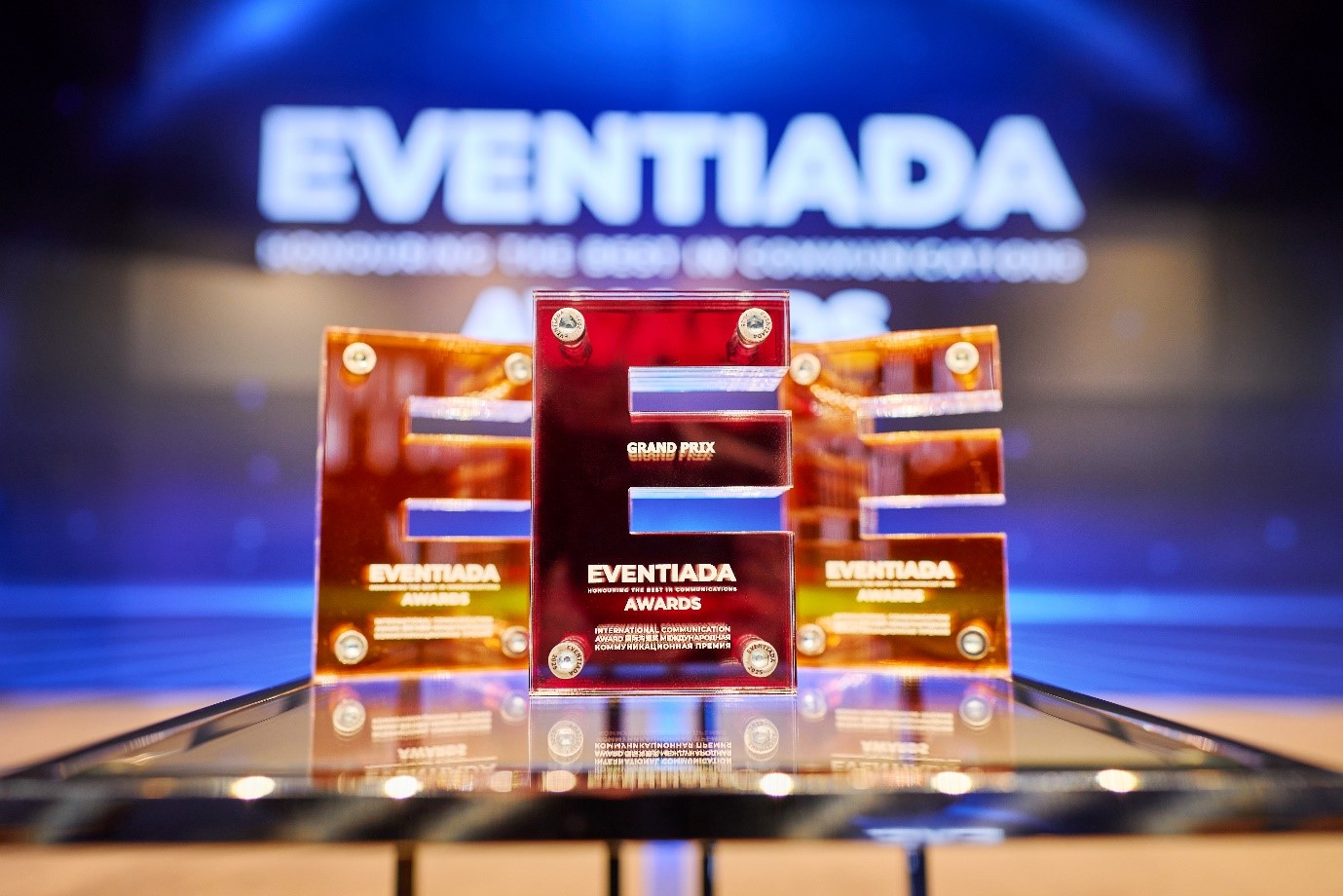
2026年4月3日 - (SeaPRwire) - 國際盛事大獎 Eventiada Awards 2026 第15屆周年賽季正式拉開帷幕,報名通道全面開啟。作為全球傳播領域最具規模的獎項之一,Eventiada Awards 接受以任何語言提交的專案,不設語言限制。參評專案須為2025年9月1日至2026年8月31日期間實施的作品,地域不限。 Eventiada Awards(Eventiada Awards)獎勵廣告與行銷傳播、企業與商業傳播、可持續發展以及個人和青年提名類別中的最佳專案。該獎項成立於2011年,已成為傳播行業發展以及專業人士和青年交流經驗的重要平臺之一。自成立以來,該獎項已收到來自23個國家的超過9500份申請。 申請通過獎項官方網站 www.eventiada.com(www.eventiada.com) 提交,共有超過40個提名類別。專案接受世界所有語言的申請。 俄羅斯經理人協會執行董事維亞切斯拉夫·葉夫謝耶夫(Vyacheslav Evseev)表示: “Eventiada Awards(Eventiada Awards)不僅僅是一場競賽,更是一個誕生強大創意、塑造傳播未來的空間。15年來,該獎項已成為吸引人才的磁石,我們很榮幸作為合作夥伴參與這一運動。” ОRTA 總經理、Eventiada Awards(Eventiada Awards)主席尼古拉·奧布列茲科夫(Nikolay Obrezkov)表示: “如今,傳播領域正在經歷深刻轉型。重點正從廣泛覆蓋轉向可衡量的商業效果和真實的投資回報,從一次性活動轉向長期專案和社區建設,從大眾化格式轉向利用人工智慧的超個性化體驗。在演算法和自動化時代,恢復人類信任、真實性和有意義的個人聯繫成為關鍵。混合格式正成為標準,能夠將現場交流與數字能力相結合。正是在這一動態背景下,我們為來自不同國家的參與者開啟了Eventiada Awards(Eventiada Awards)第15屆周年賽季。該獎項早已超越行業競賽的範疇,成為連接全球傳播專業人士的國際平臺。” 烏茲別克斯坦行銷協會主席迪約爾·米爾紮艾哈邁多夫(Diyor Mirzaakhmedov)表示: “Eventiada Awards(Eventiada Awards)是為數不多真正塑造歐亞地區專業行銷和傳播文化的專案之一。作為烏茲別克斯坦行銷協會主席,我特別珍視這一點:該獎項不僅評估案例,還為整個市場設定品質標準。Eventiada(Eventiada)始終代表強大的創意、可衡量的成果以及對職業的尊重。在這裏可以看到品牌、代理機構和團隊的真實成熟度,他們明白行銷不是為了創意而創意,而是對商業和社會產生影響。我還要特別強調該獎項在團結專業社區方面的作用。它創造了一個環境,讓各國之間能夠交流經驗,烏茲別克斯坦等本地市場有機會被聽到並融入國際語境。” 亞美尼亞公關協會主席、語文學博士阿斯特希克·阿韋季相(Astghik Avetisyan)表示: “國際公關獎Eventiada Awards(Eventiada Awards)不僅僅是一個獎勵最佳專案的平臺。它是一座橋樑,強化了傳播在現代世界中的作用。今天,當公共關係成為戰略工具時,該獎項提供了一個機會,來強調高質量傳播如何建立信任、塑造形象並確保可持續發展。我們彙聚領域內的最佳實踐,激發創新,並證明公關不僅是藝術,更是一項負責任的使命。” 獎項申請費用採用模組化定價系統,具體取決於提交日期和申請數量;合作夥伴協會成員可享受特殊參與條件。 Eventiada Awards(Eventiada Awards)2026年時間表: 2026年4月 — 開始接受申請; 2026年10月1日 — 申請截止; 2026年10月12–25日 — 專家委員會投票並確定短名單; 2026年10月26日 – 11月8日 — 評委會投票並確定獲獎者; 2026年11月11日 — 公佈短名單; 2026年11月24日 — 獲獎者頒獎典禮。 Eventiada Awards(Eventiada Awards)的組織者為 «Орта»,合作夥伴包括俄羅斯經理人協會、俄羅斯廣告商協會(AKAR)、烏茲別克斯坦行銷協會(МАУ)、白俄羅斯通信與行銷代理協會(АКМА)、亞美尼亞公關協會(APRA)、莫爾達瓦共和國廣告代理協會(ААРМ)、公關顧問協會(АКОС)、俄羅斯公共關係學院(РАОС)、數字市場專業人士非營利協會(ARDA)、俄羅斯品牌公司協會(АБКР)、俄羅斯電子通信協會(РАЭК)以及俄羅斯行銷服務協會(РАМУ)。 獎項的資訊合作夥伴:塔斯社(TASS)、News.ru、《論據與事實》(АиФ)。獎項結果將在《商業日報》(«Коммерсантъ»)上公佈。
SeaPRwire 鞏固香港及大中華區網路
Hong Kong - 2026年3月30日 - (SeaPRwire) - 在複雜多變的全球經貿環境中,香港作為國際金融中心的地位依然舉足輕重。為了幫助企業更有效地連接全球資本、傳遞品牌價值,知名媒體服務商 SeaPRwire (https://seaprwire.com)今日宣佈,已進一步鞏固並擴建了其在香港及大中華區的媒體發佈網路。這一戰略舉措將顯著提升企業在該區域的財經公關效率與品牌曝光深度。 大中華區尤其是香港市場,彙聚了全球頂尖的投資機構、分析師與財經媒體。SeaPRwire 此次的網路鞏固,重點在於打通“從資訊發佈到資本關注”的快速通道。平臺不僅加強了與香港本地主流中英文財經報紙、雜誌及高流量財經門戶的合作,還深度整合了輻射整個大中華區的專業金融資訊終端。這意味著,企業發佈的財報、融資資訊或重大戰略調整,能夠以極高的優先順序推送到專業投資人的案頭。 此外,針對大中華區日益蓬勃的科技創新與新消費浪潮,SeaPRwire 同步擴充了科技、創投、時尚、健康等多個垂直領域的媒體矩陣。無論是在香港尋求上市聲量的獨角獸企業,還是希望在內地及大灣區拓展業務的跨國品牌,都能通過 SeaPRwire 定制化的發佈鏈路,實現對目標受眾的精准穿透。 SeaPRwire 的大中華區負責人指出:“香港不僅是一個發佈窗口,更是全球資本透視中國、中國企業走向世界的重要橋樑。我們通過鞏固這一核心網路,旨在為客戶提供更具確定性的傳播結果。用權威的媒體背書和廣泛的管道覆蓋,為企業在大中華區的商業航行保駕護航。” 關於SeaPRwire SeaPRwire 是亞洲領先的 AI 驅動型贏取媒體(Earned Media)傳播管理平臺,專為公關及傳播專業人士打造。通過其旗艦專案 Branding-Insight,平臺無縫連接超過 8 萬名記者、編輯,以及坐擁 3 億粉絲的 KOL 矩陣。借助先進的 AI 技術,SeaPRwire 幫助用戶精准鎖定媒體目標、定制個性化推介,並全面衡量亞太核心市場(包括日、韓、中及東南亞)的公關傳播效果。 媒體聯絡 公司: SeaPRwire 聯絡: Media team 郵箱: cs@seaprwire.com 網站: https://seaprwire.com
The Tomorrow Company Formed Through Strategic Merger to Build Web3 Infrastructure Integrating AI and Tokenized Assets

VANCOUVER, BC– 12/03/2026 – (SeaPRwire) – A newly formed digital infrastructure platform has emerged at the intersection of artificial intelligence, tokenized assets, and climate-focused financial systems. The Tomorrow Company (“TMRW”) announced that it has completed a strategic merger with Carbon Distributed Technologies AG (“CUT”) and Plato Technologies Inc., bringing together complementary technologies aimed at building scalable Web3 infrastructure for the next phase of digital finance. The newly combined organization is designed around the premise that long-term value in digital markets will increasingly be created by the builders of foundational systems rather than by application-level interfaces. By focusing on programmable infrastructure, embedded intelligence, and verifiable digital assets, the platform aims to support institutions navigating a rapidly evolving financial and technological landscape. Responding to Structural Shifts in Global Markets Global capital markets are undergoing significant transformation as artificial intelligence, digital assets, and climate accountability frameworks reshape financial operations. AI technologies are increasingly embedded in enterprise decision-making, regulatory compliance, and capital allocation processes. At the same time, blockchain-based assets are evolving beyond speculative instruments toward programmable frameworks capable of enabling transparent, real-time value transfer. Parallel to these developments, climate accountability is also transitioning from voluntary reporting toward measurable, verifiable systems. Regulators, corporations, and institutional investors are increasingly seeking tools that can track environmental impact through auditable mechanisms rather than narrative-based commitments. TMRW’s newly formed platform is designed to operate at the convergence of these emerging trends. Tokenized Carbon Infrastructure from CUT As part of the merger, Carbon Distributed Technologies AG contributes a tokenized carbon infrastructure framework designed to provide transparency and traceability for carbon credits. The system emphasizes verifiable issuance, transfer tracking, and retirement mechanisms intended to ensure that environmental claims can be independently validated. Built within Liechtenstein’s Blockchain Act regulatory framework and operating on the Ethereum mainnet, the CUT platform seeks to establish auditable records for carbon-related transactions while linking tokenized assets to measurable CO₂ reduction outcomes. Paul Thomson, Co-Founder of Carbon Distributed Technologies AG, said the development of tokenized commodities is moving toward greater operational rigor and transparency. According to Thomson, the credibility of tokenized carbon credits increasingly depends on clear verification processes, reliable asset traceability, and robust retirement protocols that can withstand institutional scrutiny. By integrating with TMRW’s broader infrastructure platform, the company expects to accelerate the adoption of programmable carbon market systems. AI Intelligence Layer from Plato Technologies Complementing the carbon infrastructure is Plato Technologies Inc., which contributes an artificial intelligence engine designed to convert fragmented global datasets into operational workflows and actionable insights. The platform focuses on vertically specialized intelligence products intended for enterprise deployment. These systems aim to help organizations convert large volumes of data into decision-ready analytics while maintaining operational scalability and efficiency. Bryan Feinberg, CEO and Founder of Plato Technologies Inc., noted that the true impact of AI emerges when insights are integrated directly into operational systems rather than remaining as analytical outputs. The merger, he said, enables AI capabilities to connect with measurable asset frameworks and distribution-driven infrastructure capable of operating at global scale. A Multi-Engine Web3 Infrastructure Platform Following the merger, The Tomorrow Company will operate as a diversified Web3 infrastructure holding platform. The company’s strategy centers on building multiple interconnected value engines across tokenized assets, AI-driven intelligence systems, and programmable financial infrastructure. Beyond tokenized carbon credits, the company intends to expand its tokenization framework into additional real-world asset categories where digital verification and programmability can unlock liquidity and transparency. Management also plans to scale the deployment of vertical AI intelligence products in industries where fragmented data environments create operational inefficiencies. Strategic acquisitions and technology integrations are expected to play a role in the company’s growth roadmap, particularly where opportunities align with regulatory frameworks, institutional adoption, and long-term infrastructure utility. Positioning for the AI-Native Financial Era Leadership at TMRW believes that the intersection of artificial intelligence and tokenized financial systems will reshape how capital is raised, distributed, and monitored. As financial markets increasingly emphasize transparency and automation, platforms capable of embedding intelligence and programmable accountability into infrastructure may play a growing role in digital economies. The company’s long-term objective is to build a portfolio of infrastructure assets that generate value through adoption and integration rather than short-term market volatility. Its roadmap includes expanding institutional partnerships, strengthening blockchain infrastructure capabilities, and deploying AI systems designed to integrate directly into enterprise and financial workflows. As global markets continue to evolve toward tokenized real-world assets and AI-enabled financial ecosystems, The Tomorrow Company aims to establish itself as a foundational infrastructure layer supporting new digital asset classes and data-driven capital flows. About The Tomorrow Company The Tomorrow Company is a Web3 infrastructure and digital asset holding platform focused on building foundational systems for the emerging AI-driven financial ecosystem. Through acquisitions, tokenized utility frameworks, and vertically deployable AI intelligence products, the company seeks to develop scalable infrastructure designed for institutional adoption and long-term growth. About Carbon Distributed Technologies AG Carbon Distributed Technologies AG operates CUT.eco, a tokenized carbon utility platform designed to provide verification, traceability, and transparent retirement mechanisms for carbon credits under Liechtenstein’s blockchain regulatory framework. About Plato Technologies Inc. Plato Technologies Inc. develops AI-powered intelligence platforms that transform large-scale global datasets into operational workflows and scalable Web3 analytics capabilities. Forward-Looking Statements This press release contains forward-looking statements regarding anticipated strategic initiatives, growth plans, market opportunities, and future performance. These statements are based on current expectations and involve risks and uncertainties that may cause actual outcomes to differ materially from those expressed or implied. The Company undertakes no obligation to update forward-looking statements except as required by applicable law.